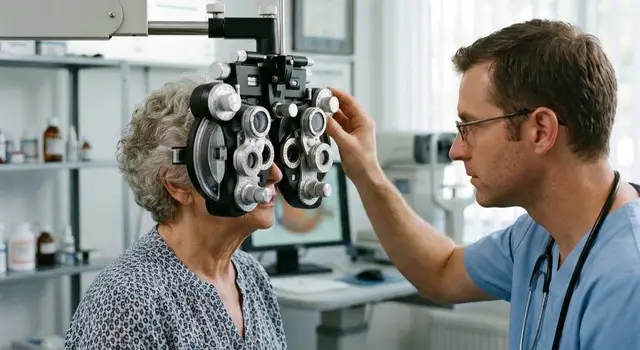
From Eye Exam to Action at ParkRidge Vision
Turn your eye exam into a care plan at [location get='name'] in [location get='city']. Discover practical steps to protect your...

Cataract surgery can safely and effectively restore vision, enabling patients to see clearly once again.
SCHEDULE AN APPOINTMENTOver 50% of people aged 65 and older have a cataract in one or both eyes. As the cataract progresses, vision deteriorates, leading to a decreased quality of life.
Fortunately, cataract surgery can easily treat this condition. This common surgery has a high success rate, with over 95% of all cataract surgeries free of even mild complications.
Cataracts are one of the leading causes of vision loss in people aged 65 or older. This condition develops as the eye ages, meaning that by the time we reach 80, more than half of us will have developed a cataract or will have undergone cataract surgery.
Without cataract surgery, millions of people around the world would be unable to see clearly.
A cataract is a clouding of the lens in your eye which is normally transparent. The lens, located inside the eye, behind the iris and the pupil, focuses light onto the retina at the back of your eye, where it is converted to nerve signals that are passed to the brain, thus enabling you to see.
When your lens becomes cloudy, the images projected onto your retina become blurry and unfocused and therefore the signal to the brain is also unclear.
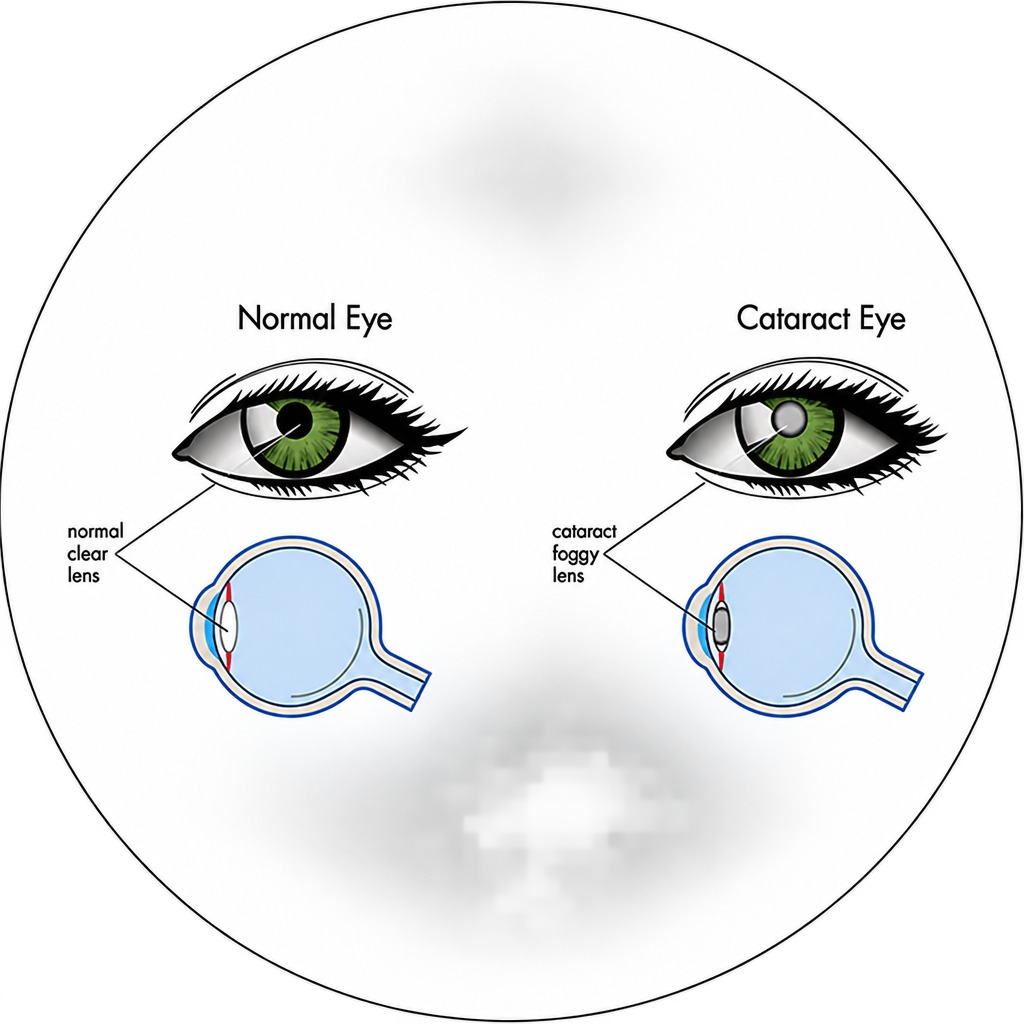

Cataracts are part of the natural aging process of the eye. While the majority of cases develop in old age, there are instances of congenital cataracts, present at birth. Further, secondary or traumatic cataracts can occur at any age as a result of eye injury, surgery, or disease.
Certain medical, genetic, and behavioral risk factors can also accelerate its development, such as diabetes, a family history of cataracts, smoking and excessive alcohol consumption.
Symptoms of a cataract may develop slowly at first, or may not even be noticeable.
The most common symptoms include:

Cataracts don’t suddenly develop overnight. They generally start off small and only begin to noticeably affect your vision as they grow. You should consider getting cataract surgery once the condition begins to seriously impair your vision and adversely affects your daily life, impacting your ability to:
Surgery should also be considered if it’s preventing the treatment of another eye problem, such as glaucoma. The good news is that cataract surgery successfully restores vision in the vast majority of cases.
Cataract surgery, a relatively quick and painless procedure, is one of the most common surgeries performed in North America.
This surgery involves removing the clouded natural lens and replacing it with a clear, plastic intraocular lens (IOL) that becomes a permanent part of the eye.
IOLs are usually made of plastic and most of them are monofocal lenses or single power lenses to correct for distance vision. As technology advances, specialized IOLs continue to be developed. From multifocal IOLs to IOLs that block UV and blue light radiation, patients have greater options available to them now than ever before.
If you or a loved one has cataracts and would like more information on cataract surgery, please contact ParkRidge Vision Specialists today.
Turn your eye exam into a care plan at [location get='name'] in [location get='city']. Discover practical steps to protect your...

Learn whether your child is ready for contacts with personalized fittings from [location get='name'] in [location get='city'].

Help your child start the school year with clear vision. Schedule a back-to-school eye exam with [location get='name'] in [location...
Talk with the eye doctors at ParkRidge Vision Specialists in Lone Tree about co-managing your cataract surgery.