Jan 17, 2026
The start of a new year is a natural time to reset your routines, organize your calendar, and take care of appointments you may have put off during the busy holiday season. While many people think about fitness, finances, or general wellness in January, eye care deserves a place on that list too.
Your vision affects nearly everything you do, from driving and working to reading, using screens, enjoying hobbies, and spending time with family. If it has been more than a year since your last eye exam, January is a great time to schedule one.
At ParkRidge Vision Specialists, a comprehensive eye exam can help you start the year with clearer vision and a better understanding of your eye health in Lone Tree.
Eye Exams Are About More Than Updating Glasses
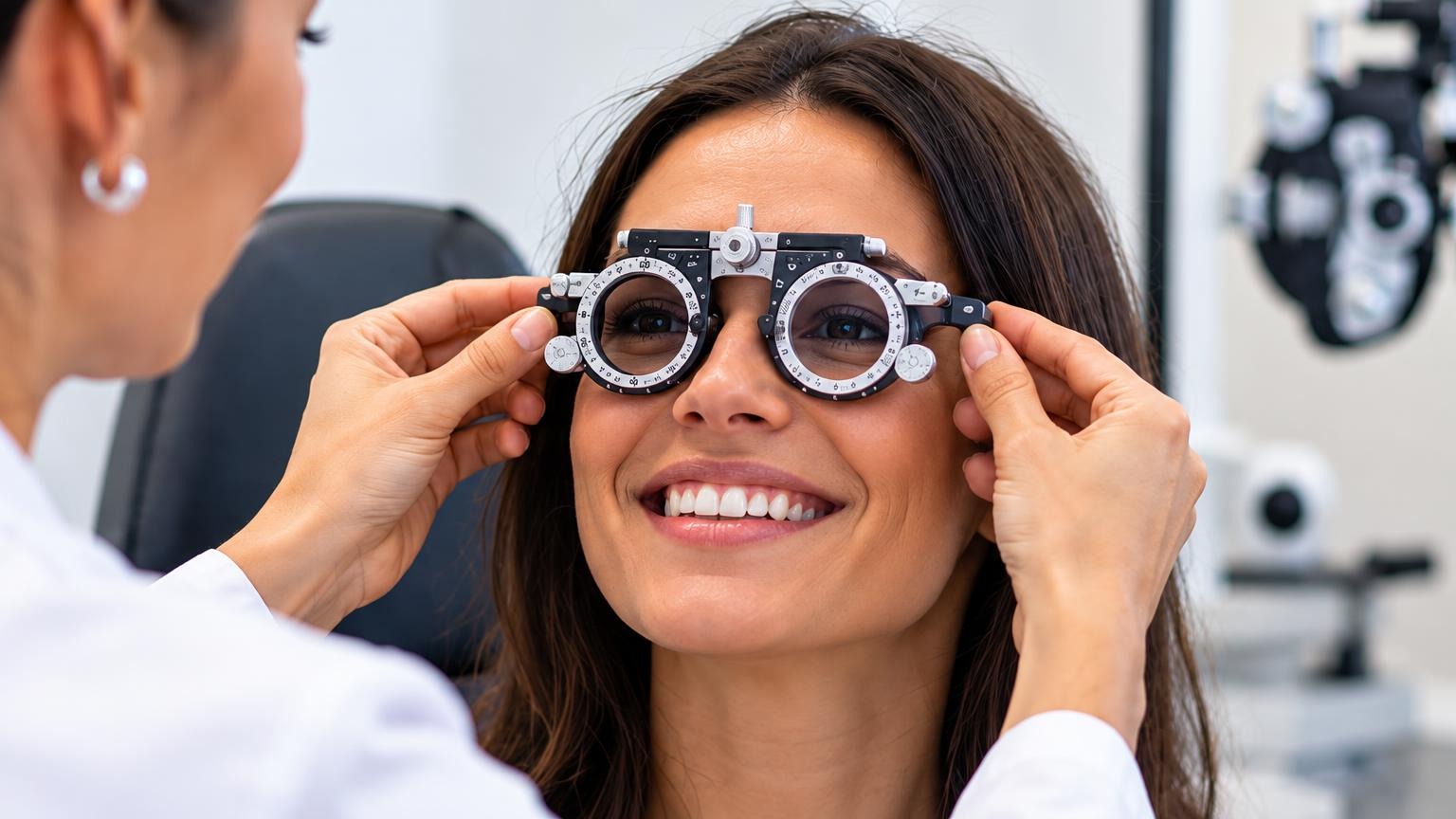
Many people schedule an eye exam only when their glasses feel outdated or their contact lenses become uncomfortable. While prescription updates are important, a comprehensive eye exam looks at much more than how clearly you can see.
Your optometrist may evaluate your visual clarity, prescription, eye pressure, eye coordination, focusing ability, and overall eye health. These details can help identify changes that may not be obvious in everyday life.
Even if your vision seems stable, your eyes can still change over time. Regular exams allow your eye doctor to monitor those changes and recommend care when needed.
Early Detection Supports Long-Term Eye Health
Some eye diseases develop gradually and may not cause noticeable symptoms at first. Conditions such as glaucoma, cataracts, macular degeneration, diabetic eye disease, and other eye health concerns can affect vision over time.
A comprehensive eye exam allows your optometrist to look for early signs of these conditions and recommend next steps if something needs attention.
This is especially important if you have diabetes, high blood pressure, a family history of eye disease, previous eye surgery, or changes in your vision.
Signs Your Prescription May Need an Update
Small prescription changes can make a big difference in daily comfort. You may need an updated glasses or contact lens prescription if you notice:
- Blurry distance or near vision
- More squinting than usual
- Headaches after reading or screen use
- Eye fatigue at work
- Difficulty driving at night
- Trouble seeing clearly with current glasses
- Contact lens discomfort
- Needing more light to read comfortably
If your glasses are scratched, outdated, or no longer giving you crisp vision, a new exam can help determine whether your prescription has changed.
Refresh Your Eyewear for the Year Ahead
The new year is also a good time to think about whether your eyewear still fits your lifestyle. Your visual needs may change if you spend more time on a computer, drive often, read frequently, wear contacts, or need different support for work, hobbies, or outdoor activities.
After your exam, you may want to explore updated eyeglasses, prescription sunglasses, contact lenses, or specialty lens options. The right eyewear can help you see more clearly and feel more comfortable throughout the day.
Do Not Wait for Symptoms
One of the biggest mistakes patients make is waiting until something feels wrong. Eye exams are preventative care. They help catch changes early, before symptoms interfere with daily life.
If your vision seems fine, that is still a good reason to keep up with routine care. A regular eye exam gives you peace of mind and helps your eye doctor track your eye health over time.
Start the Year With Healthier Vision
January is the perfect time to get back on track with your eye care. Whether you need an updated prescription, new glasses, contact lens support, or a full eye health evaluation, a comprehensive exam can help you start the year with clearer vision and better confidence.
Schedule your annual eye exam with ParkRidge Vision Specialists and make your vision a priority this year in Lone Tree, Colorado.
Eye Exam FAQs with Dr. Sancho
How often should adults have an eye exam?
Many adults benefit from a comprehensive eye exam every year, especially if they wear glasses or contact lenses, have health conditions, or have a family history of eye disease.
Do I need an eye exam if my vision has not changed?
Yes. Eye exams check both your vision and your eye health. Some eye diseases can develop without obvious symptoms.
Can an eye exam help with headaches or eyestrain?
Yes. Headaches and eyestrain may be related to prescription changes, screen use, dry eye, focusing issues, or other visual concerns.
When should I update my glasses?
Update your glasses if your prescription changes, your lenses are scratched, your frames are uncomfortable, or your current eyewear no longer supports your daily needs.
Can I ask about contact lenses during my exam?
Yes. If you wear contact lenses or want to try them, ask about a contact lens evaluation to check fit, comfort, and prescription needs.