
Eye Disease Management
Is your vision blurred or cloudy? Seeing dark spaces in the center of your vision? You might have an eye disease. Contact us for effective treatment and experience a heightened quality of life.
SCHEDULE AN APPOINTMENTEye Disease Management

Your eyes continue to change with each passing year, which can impact your vision over time. At ParkRidge Vision Specialists, we provide comprehensive eye checkup services to monitor these changes and detect eye conditions or diseases early—helping to protect and preserve your sight. Whether you are managing diabetic retinopathy, glaucoma, cataracts, or macular degeneration, or require Shared Care for Corneal Transplant Patients, our team is here to support your long-term eye health and ensure you maintain the best vision possible.
Eye Disease Treatments
We diagnose, manage and treat diseases like diabetic retinopathy, cataracts, glaucoma and macular degeneration. The earlier the diagnosis, the better your chances for successful treatment.
What is Diabetic Retinopathy and How Can It Be Treated?
Diabetic retinopathy occurs when the retina's tiny blood vessels weaken and inflate as a result of high blood sugar levels. As the blood vessels grow, they bleed—causing severe vision loss, and in extreme cases even blindness.
The early and intermediate phases of this disease typically show no symptoms or warning signs. However, as the macula (central part of the retina) becomes inflamed and the disease progresses, discomfort or blurred vision may develop.
Note that diabetic retinopathy can be treated before any vision loss occurs. Treatment and management options include:
- Medication
- Anti-VEGF or steroid injections
- Laser surgery
- Vitrectomy
What Is Glaucoma and How Can It Be Treated?
Glaucoma is a group of eye diseases caused by a buildup of pressure within the eye. The longer the pressure builds, the more damage it causes, especially to the optic nerve.
In the absence of medical intervention, the nerve will continually deteriorate, resulting in permanent vision loss or blindness.
While glaucoma cannot be cured, there are several treatments that can help slow down the progression of this disease. These treatments include:
- Eye drops
- Oral medications
- Filtration surgery
- Laser therapy
- Drainage tubes
- Minimally invasive glaucoma surgery (MIGS)

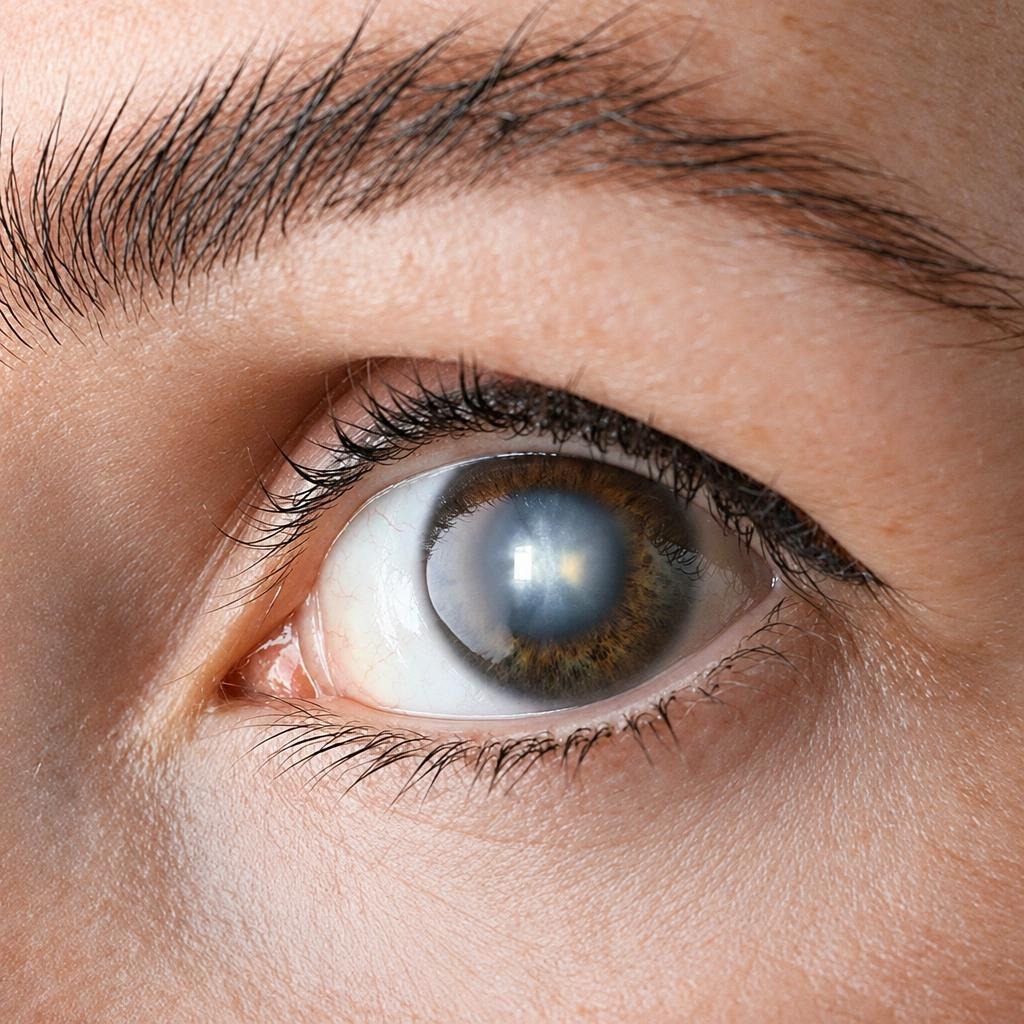
What Are Cataracts and How Can The Disease Be Treated?
A cataract occurs when the clear lens inside our eye becomes cloudy. Cataracts develop slowly and reduce the amount of light that can get through the lens, rendering it difficult to see. Those with cataracts feel as if they’re perpetually looking through a dirty window that cannot be cleaned.
If the cataract is at an advanced stage, your eye doctor will likely recommend cataract surgery, a safe procedure where the cloudy lens is replaced with a new intraocular lens (IOL).
What is Macular Degeneration and How Can It Be Treated?
Macular degeneration is the deterioration of the central part of the retina, the part of the eye that records the images we see and sends them back to the brain. As the macula deteriorates, the brain receives blurred or distorted images instead of clear and bright images.
There are two types of macular degeneration: dry AMD and wet AMD.
While there is currently no treatment for dry AMD, those with significant vision loss might benefit from taking certain nutritional supplements.
For wet AMD, treatment options include:
- Anti-VEGF Injections
- Photodynamic Therapy (PDT)
- Laser Photocoagulation

What Others Are Saying About Us
Patients give ParkRidge Vision Specialists 4.6 out of 5 across 214 Google reviews.