
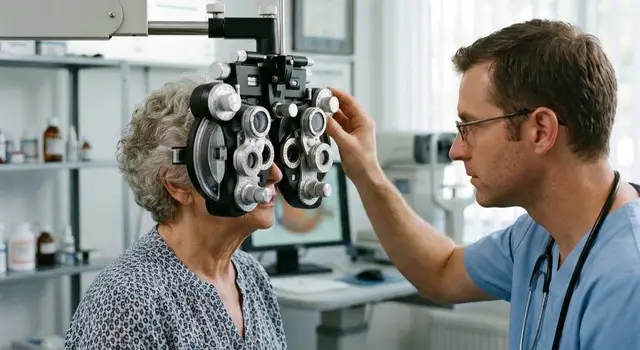
Getting your eyes checked is an important step toward protecting your vision, but what happens after the appointment matters just as much. Many patients leave with an updated prescription and reassurance about their eyesight, yet aren’t always sure which recommendations deserve attention or what they should do next.
Your eye exam should be the starting point for a practical plan that supports your vision, comfort, and long-term eye health. At ParkRidge Vision Specialists, comprehensive eye care considers your individual needs, lifestyle, and potential risk factors. Continue reading to discover how to turn your next eye exam into meaningful action.
Look Beyond Your Glasses Prescription
Clear vision is only one part of healthy eyesight. A comprehensive eye exam also allows your optometrist to evaluate your eye health and look for changes that may require monitoring or further assessment.
Depending on your needs, your examination may include an evaluation of:
- Visual clarity and prescription changes
- Eye pressure and optic nerve health
- The cornea and external eye structures
- Symptoms of dry eye disease
- Eye coordination and focusing
- Risk factors for glaucoma or other eye conditions
These findings help your eye doctor determine whether routine care is sufficient or additional attention would be beneficial.
Turn Your Exam Findings Into Action
Not every patient needs the same recommendations. Someone experiencing persistent dry eyes may benefit from a different care plan than someone managing keratoconus or adjusting to a new prescription.
After your appointment, focus on understanding three things:
- What your eye exam revealed
- Which recommendations are most important
- When your eyes should be evaluated again
For example, if dry eye symptoms are affecting your daily comfort, your optometrist may recommend changes to your current routine or additional treatment.
Patients with keratoconus or challenging contact lens prescriptions may require more individualized monitoring and lens adjustments.
The goal is to understand which steps matter for your particular situation rather than following a generic checklist.
Match Your Care Plan to Your Lifestyle
Daily routines influence how comfortably and effectively you use your vision. Someone who spends hours at a computer may have different needs from a contact lens wearer or an adult who enjoys outdoor activities.
Your recommendations might include:
- Adjusting visual habits during prolonged computer work
- Wearing UV-protective sunglasses outdoors
- Using protective eyewear during relevant activities
- Following prescribed contact lens care routines
- Monitoring changes in visual clarity or eye comfort
These habits support professional care, but they should complement your individual treatment recommendations rather than replace them.
If your eyes regularly become irritated, your lenses feel uncomfortable, or your vision changes unexpectedly, discuss those concerns with your eye doctor.
Follow Through on Recommended Care
Some findings require more than a single visit. Your eye doctor may recommend a return appointment to monitor a condition, review treatment progress, or assess how well a new prescription or contact lens fit is working.
For example, patients receiving dry eye treatment may need follow-up care to evaluate whether their symptoms and eye surface health are improving.
Similarly, patients fitted with specialty contact lenses may require adjustments to achieve comfortable, stable vision.
Keeping these appointments allows your care plan to evolve as your eyes change.
Explore our comprehensive eye care services to learn more about the different ways we support patients with routine and more complex vision needs.
Build Your Eye Care Plan in Lone Tree
An eye exam provides valuable information, but the greatest benefit comes from understanding what that information means for your everyday life. Whether your next step involves updating your prescription, addressing eye discomfort, or monitoring a particular condition, personalized care helps make those decisions easier.
At ParkRidge Vision Specialists, our experienced eye doctors help patients turn examination findings into practical recommendations and appropriate follow-up care. We believe healthy vision deserves ongoing attention, not just a once-a-year appointment. Contact our team to schedule your comprehensive eye exam and take the next step toward a care plan that works for you.
Frequently Asked Questions
Should I bring information about previous eye conditions to my appointment?
Yes. Previous prescriptions, treatment records, and details about past eye conditions can help your optometrist better understand your eye health history.
Can my eye care plan change between annual appointments?
Yes. New symptoms, changes in your prescription, or the progression of an existing condition may require adjustments to your treatment or monitoring schedule.
What if my new contact lenses are not comfortable?
Contact lens discomfort should be discussed with your eye doctor. Your lens fit, prescription, and eye surface health may need reassessment.
Do I need a separate appointment for persistent dry eye symptoms?
Your optometrist can determine whether a focused dry eye evaluation or additional treatment visit would be appropriate based on your symptoms and examination findings.
Should I schedule an exam if my vision changes suddenly?
Yes. Sudden vision loss, new flashes of light, or significant changes in vision require prompt professional assessment rather than waiting for a routine appointment.